
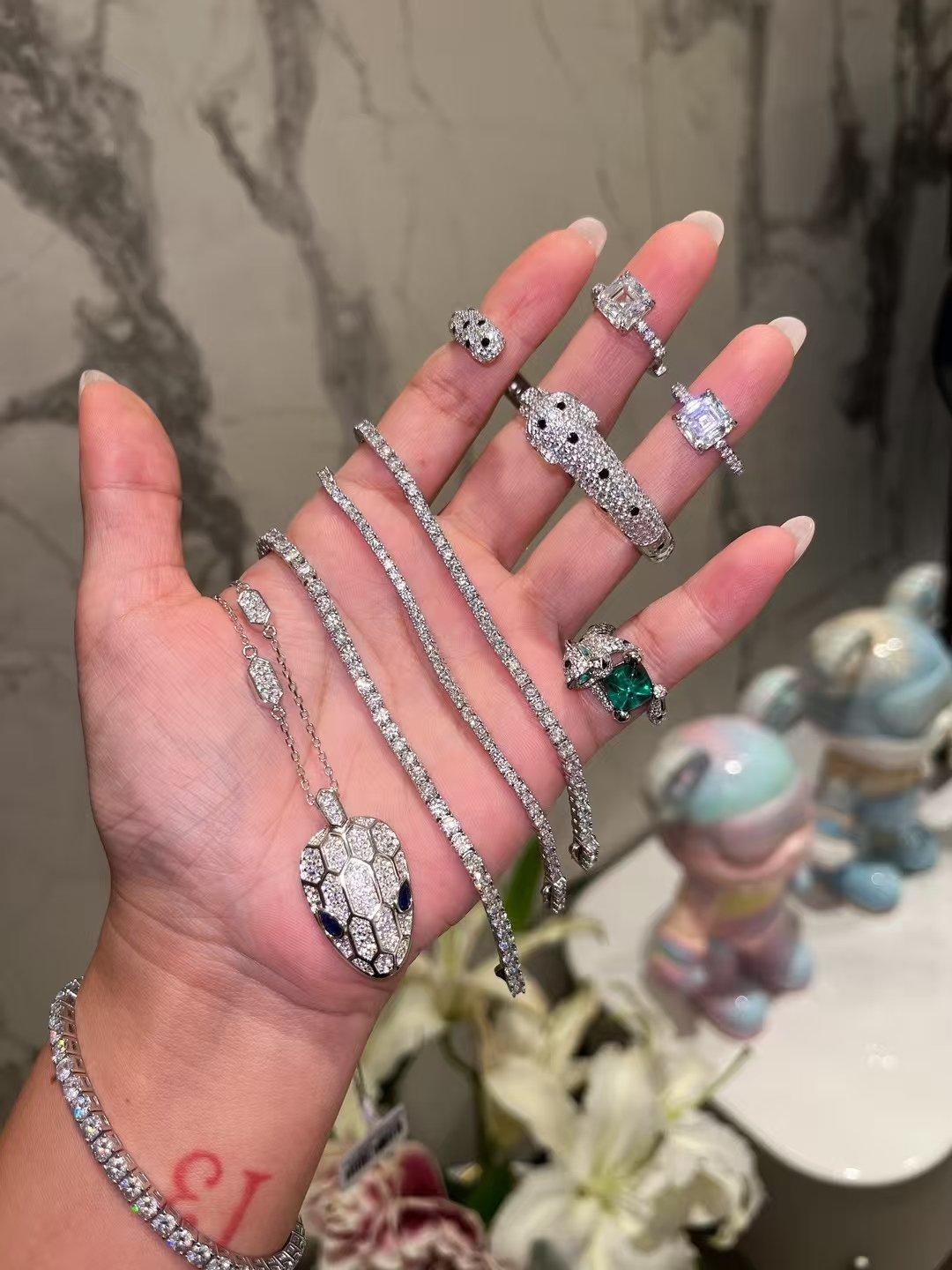
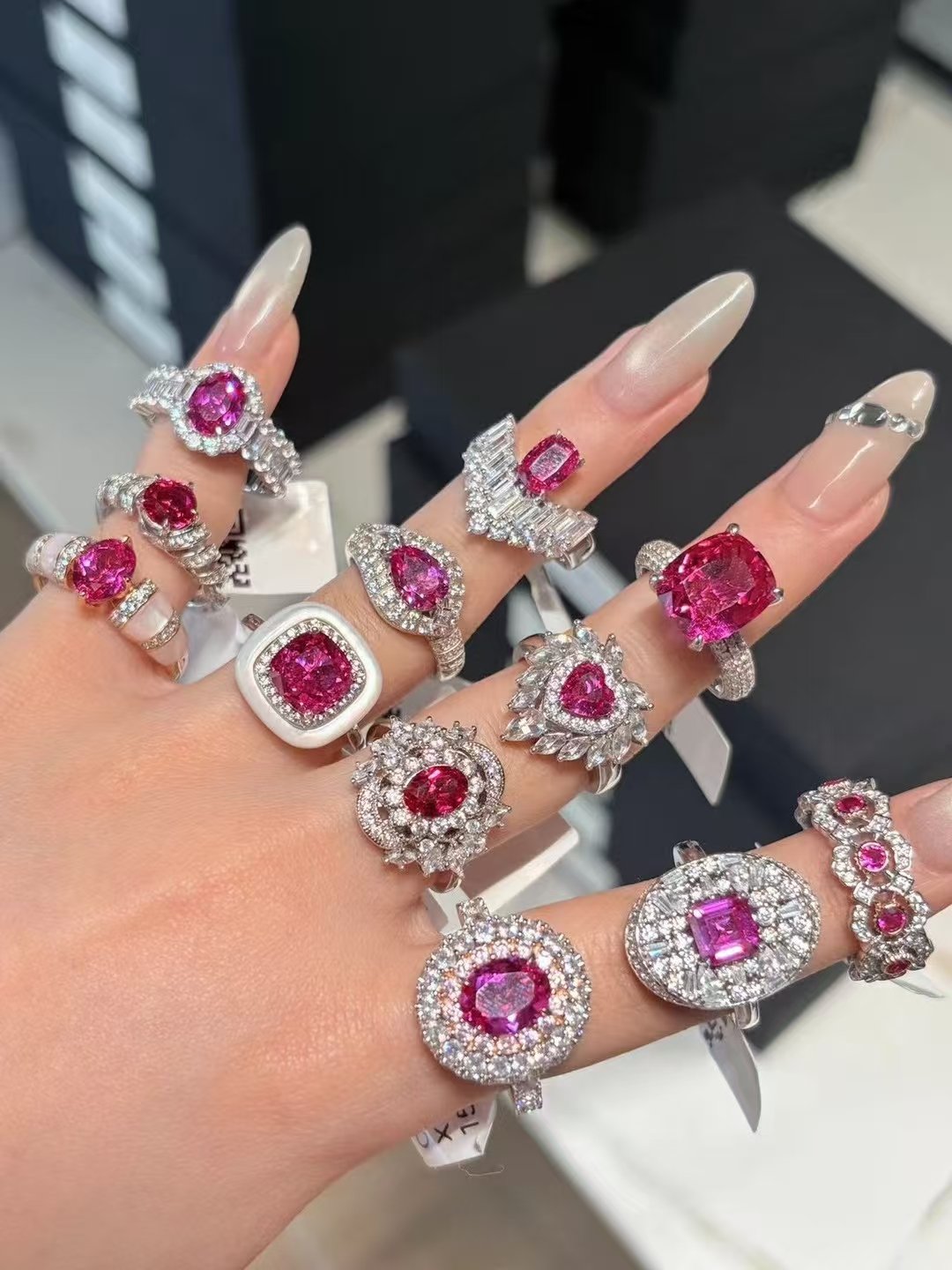
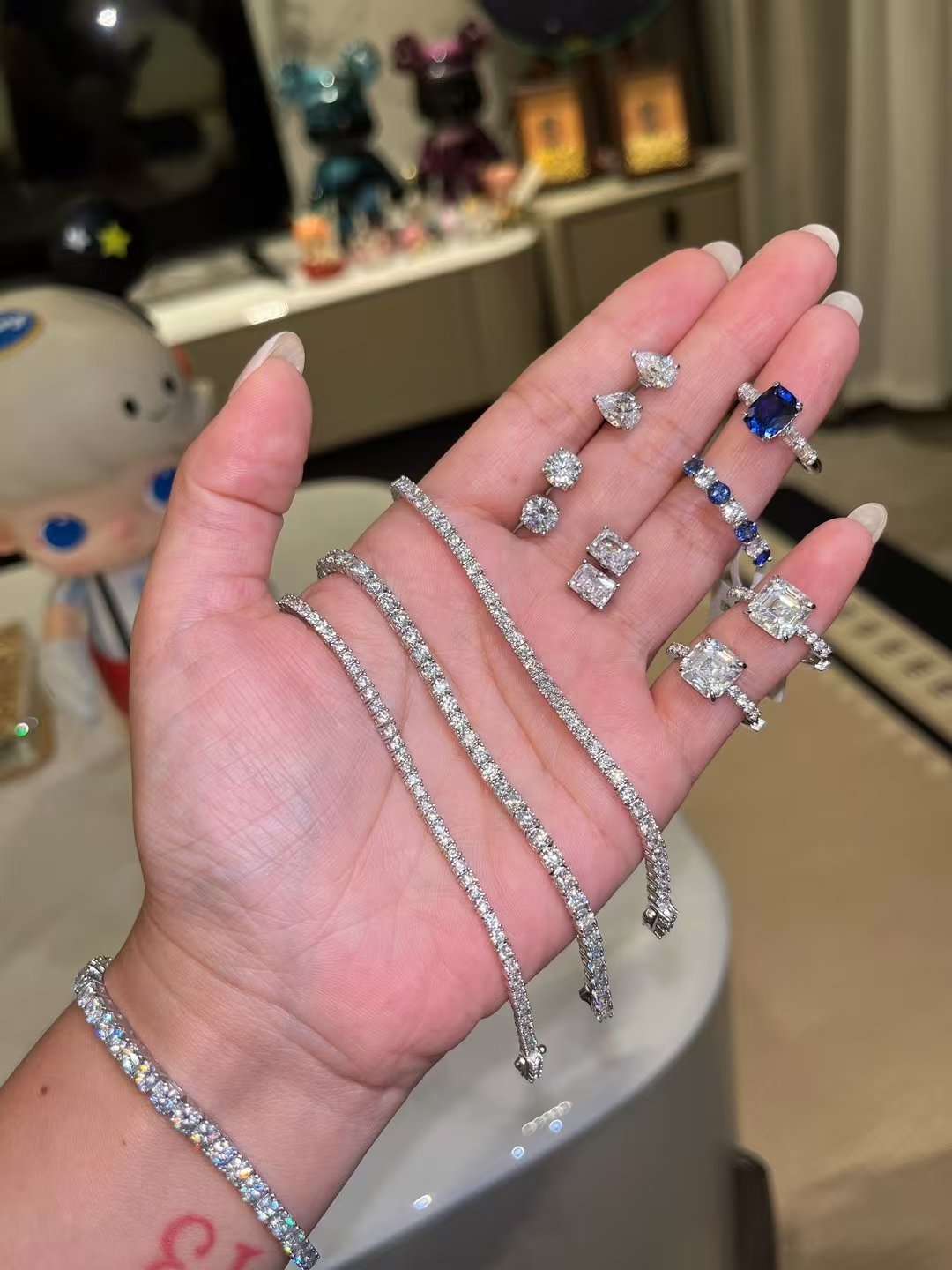
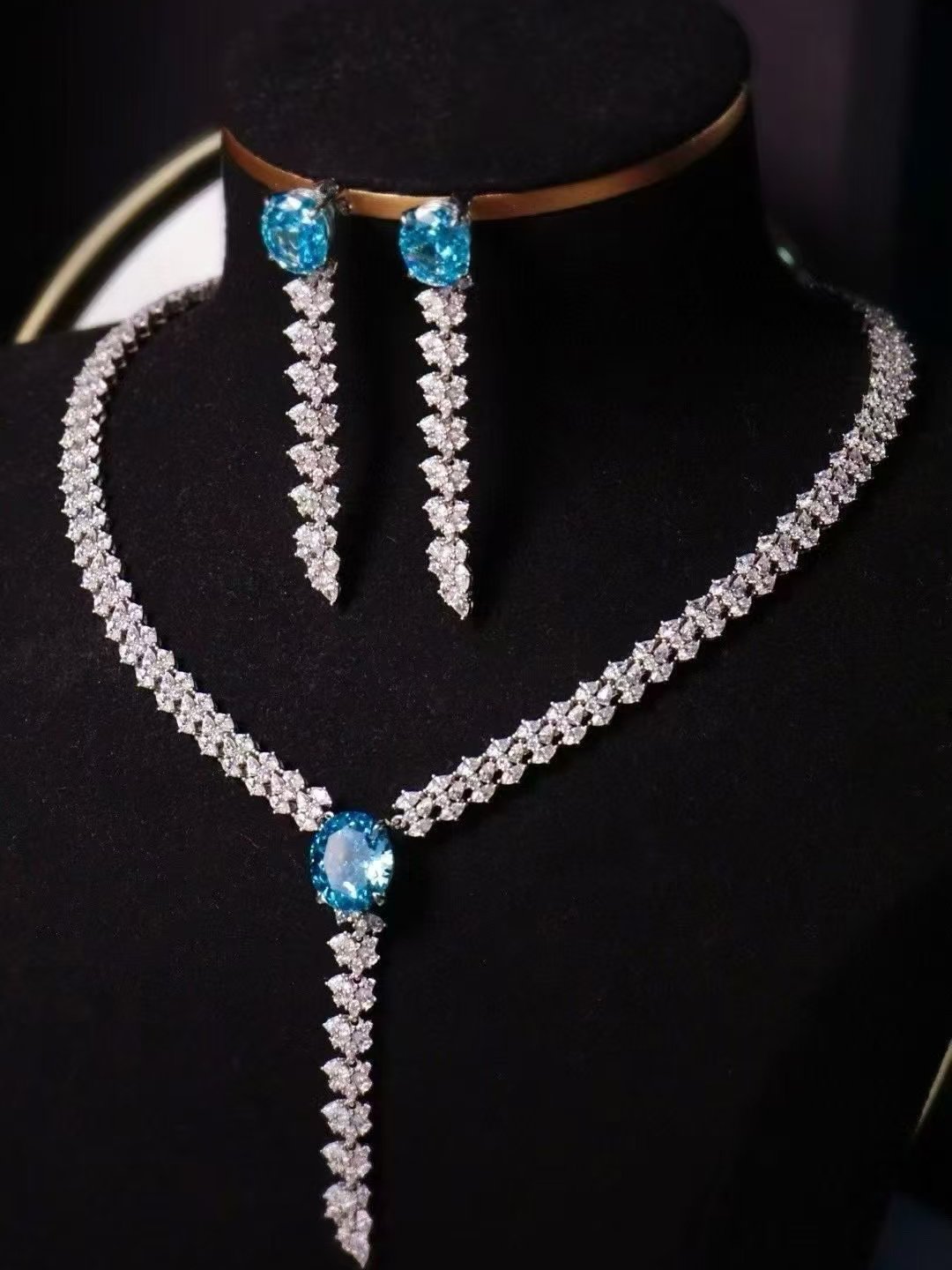
Silver jewelry has long been a cherished adornment, recognized for its beauty and versatility. Whether you’re a seasoned collector or a casual wearer, understanding the materials that compose silver jewelry and how to care for them is essential. This guide will delve into the various types of silver, common materials used, and best practices for maintaining the luster of your jewelry.
Sterling silver is the most common form of silver used in jewelry. It consists of 92.5% pure silver and 7.5% a mix of other metals, usually copper. This combination makes the metal more durable than pure silver, which is soft and malleable. Look for a "925" stamp to confirm authenticity.
Fine silver is composed of 99.9% silver, making it more resistant to tarnishing. However, its softness means it’s more prone to scratches and dents. Fine silver is often used in high-quality pieces or intricate designs.
Argentium silver is an alloy that contains a higher percentage of silver (92.5% or more) and germanium. It is known for its bright appearance and resistance to tarnishing, making it an excellent choice for jewelry that can withstand daily wear.
Coin silver traditionally refers to silver that is 90% pure, commonly used in coins. Although less common in contemporary jewelry, it can still be found in antique pieces.
In addition to silver, jewelry often incorporates other materials to enhance its aesthetic appeal:
From diamonds to turquoise, gemstones are often set in silver pieces to add color and beauty. They require careful handling to prevent scratches and damage.
Enamel is a glass-like coating fused to the surface of silver pieces. It adds vibrant colors and intricate designs, but it is sensitive to heat and can chip if not cared for properly.
Some silver jewelry is plated with rhodium to enhance its shine and prevent tarnishing. While this coat adds protection, it can wear off over time and may require reapplication.
Silver jewelry can also incorporate textiles, making for unique pieces. These materials require special care to avoid moisture damage.
To maintain the shine of silver jewelry, clean it regularly. Use a mild soap and warm water solution to gently scrub the surface with a soft cloth or sponge. Avoid harsh chemicals or abrasives.
Store your silver jewelry in a cool, dry place to minimize exposure to moisture. Use anti-tarnish pouches or cloths, and consider separating pieces to prevent scratching.
Tarnishing occurs due to exposure to air and moisture. To minimize this:
For intricate pieces or significant tarnishing, consider professional cleaning. Jewelers can restore your silver to its original luster using specialized techniques.
If you own rhodium-plated items, keep an eye on the plating. If it starts to wear, consult a professional jeweler for replating to ensure your pieces remain beautiful.
Silver jewelry is an exquisite way to express individuality and style. Understanding the various types of silver and materials used can help you make informed decisions about your pieces. Moreover, with proper care, your silver jewelry can shine brightly and last for years to come. Embrace the beauty of silver and let it enhance your jewelry collection!
No account yet?
Create an Account