
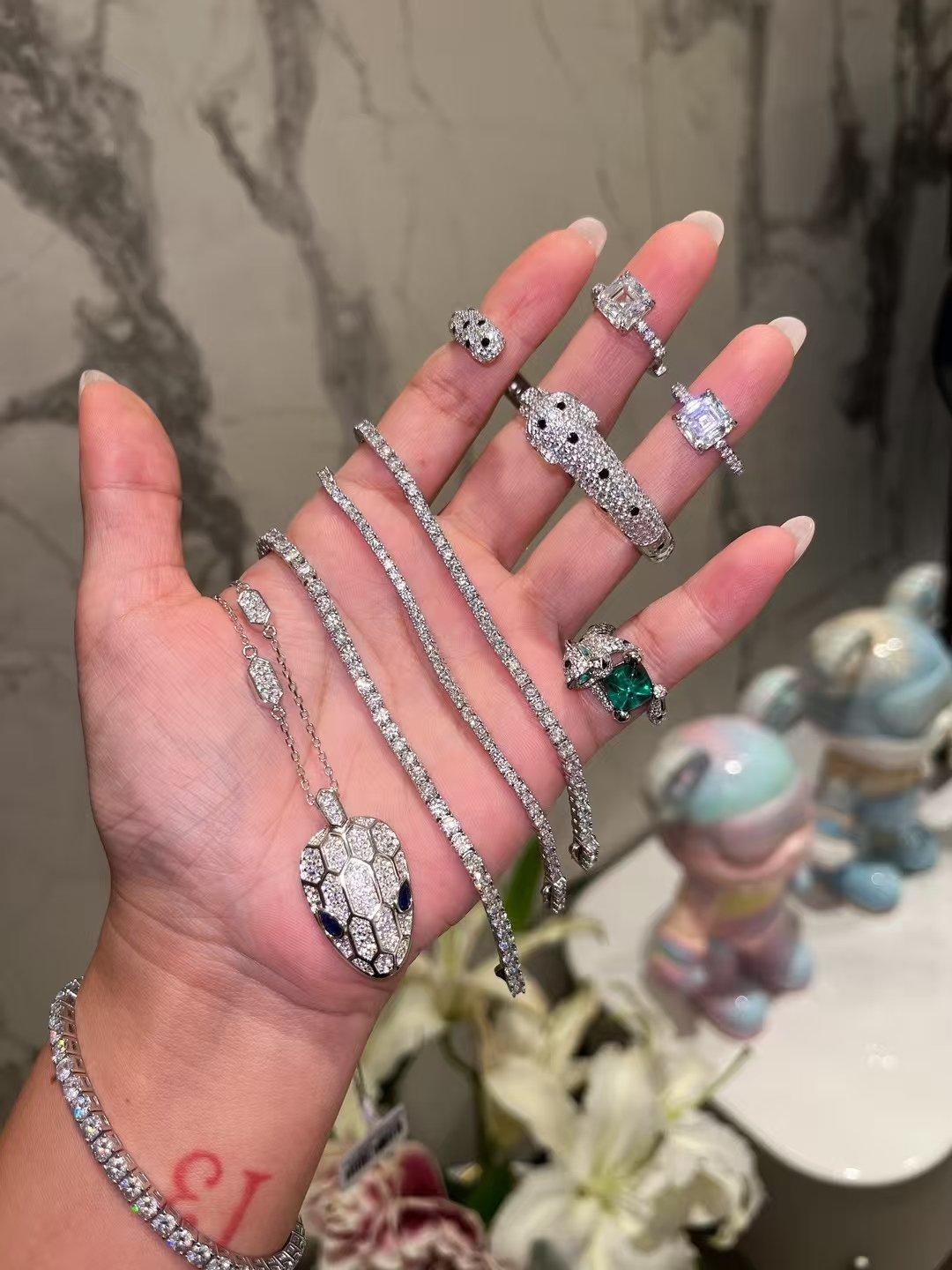
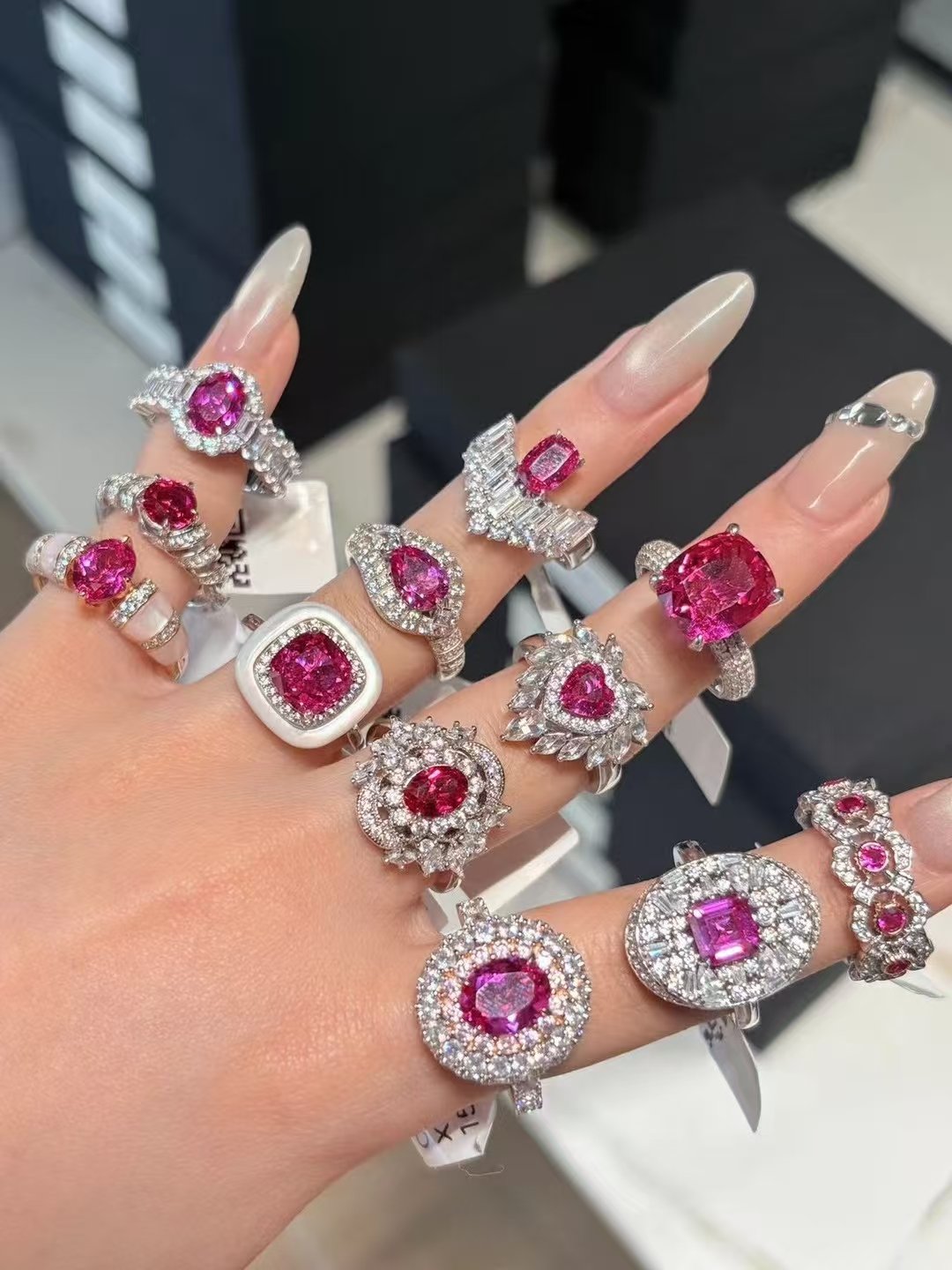
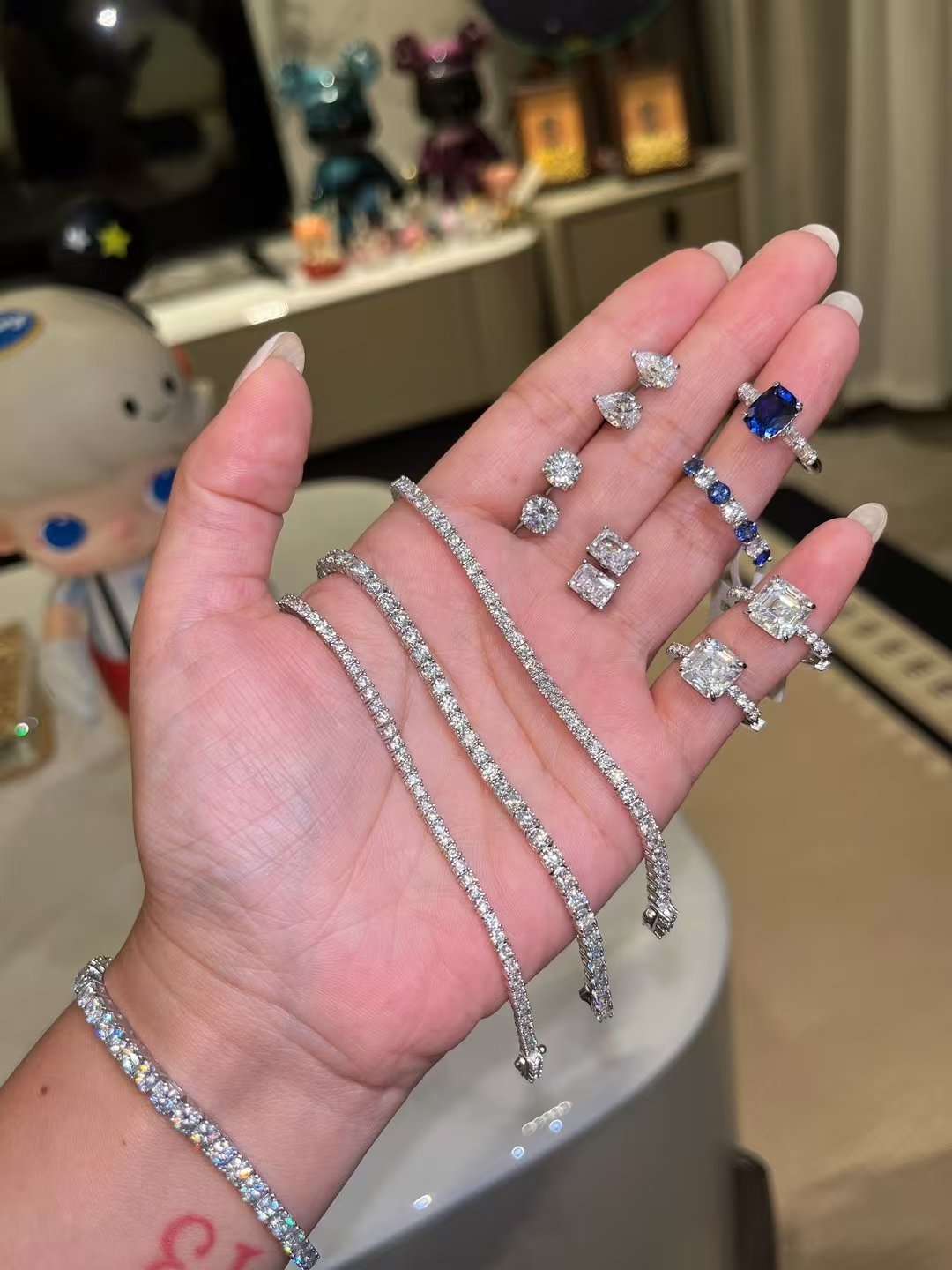
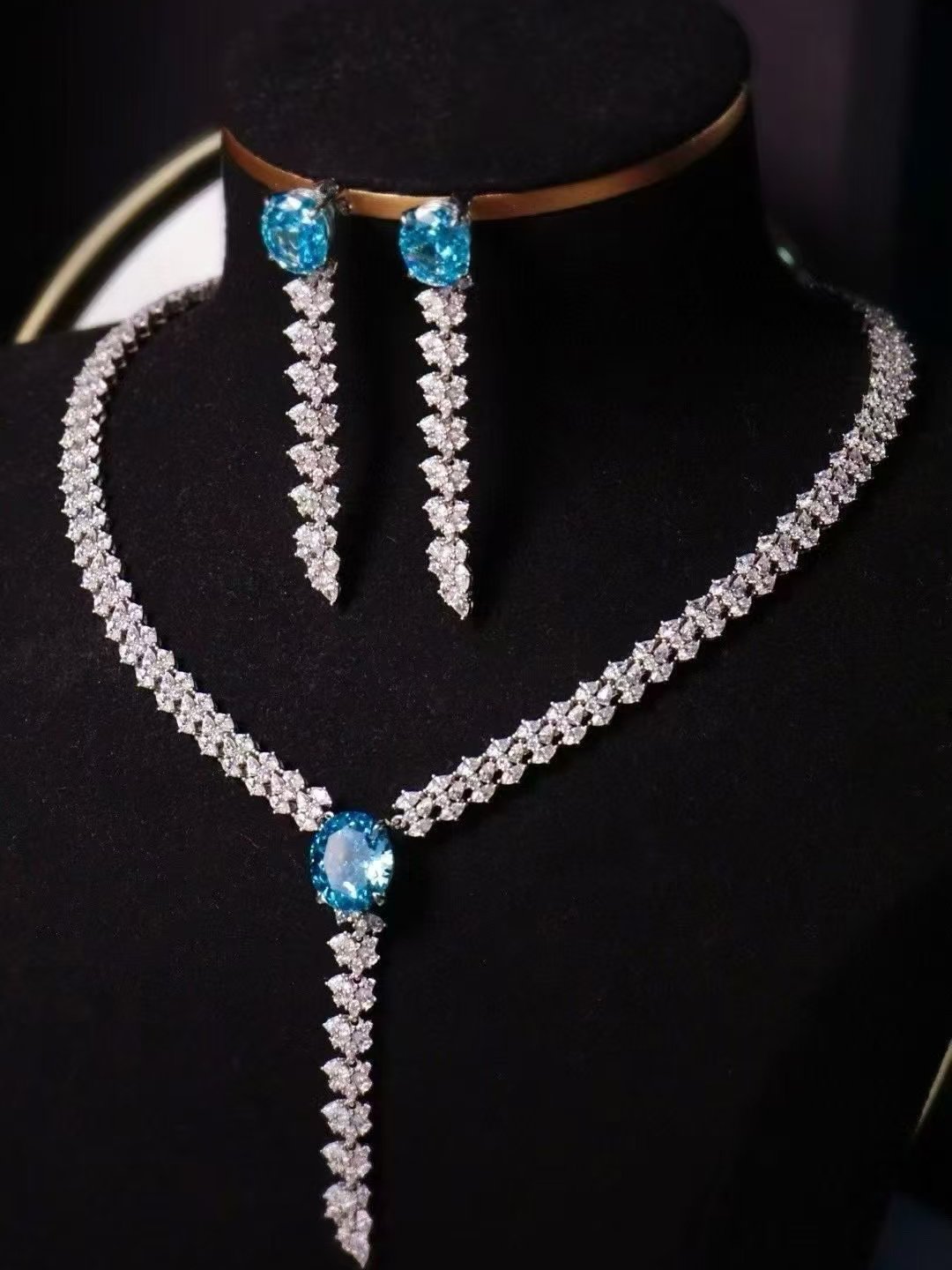
Silver jewelry has captivated hearts and minds for centuries, celebrated for its lustrous sheen and timeless elegance. However, with the rise in counterfeit and low-quality imitations, distinguishing genuine silver from fakes can be a daunting task. This guide will walk you through practical tips and tricks to help you identify authentic silver jewelry and ensure your purchases shine with quality.
Before diving into the identification process, it’s essential to understand the different types of silver:
Each type has different characteristics, with sterling silver being the most durable for regular use.
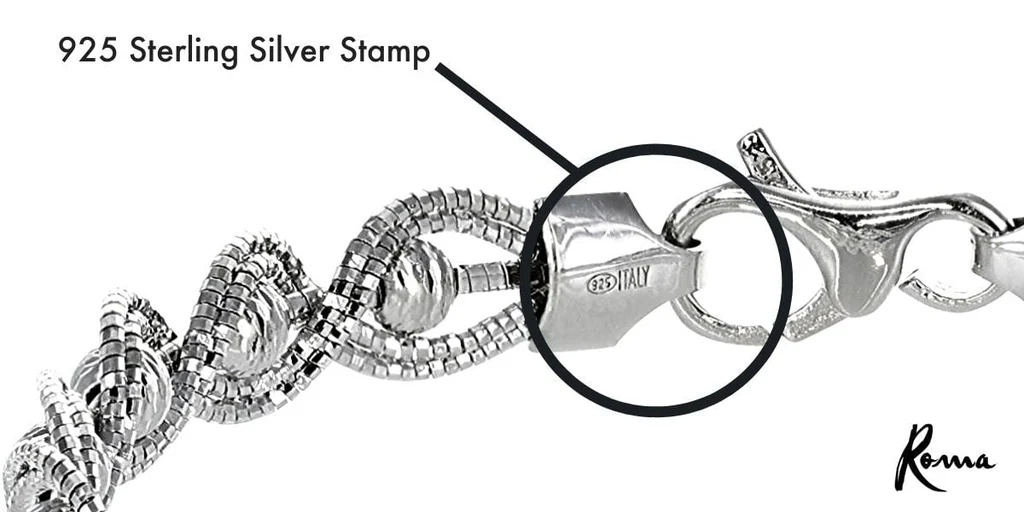
One of the most reliable ways to identify genuine silver is through hallmarks. These are small stamps typically found on the inner part of rings, bracelets, or clasps. Common marks include:
If you don’t see a hallmark, it doesn’t necessarily mean the piece is fake, but it’s a key indicator of authenticity.
Real silver is not magnetic. If a jewelry piece is attracted to a magnet, it is likely made from a lower-quality metal or alloy. Keep in mind that some silver-plated items may also exhibit a weak magnetic pull, but good-quality sterling silver should remain unaffected.
Silver tends to oxidize over time, leading to a natural patina or tarnish. If a piece of jewelry shows signs of tarnishing, it’s usually a sign that the item is genuine silver. Conversely, if it looks overly shiny and polished without any signs of wear, it could be a sign of silver plating over less valuable metals.
Examining the overall craftsmanship is essential. Genuine silver jewelry often features:
If you’re willing to risk a small area, a scratch test can also help. Using a sharp object, lightly scratch the piece in an inconspicuous spot. Genuine silver will reveal a silver color underneath, while lower-quality metals might show a different colored material underneath the surface layer.
When purchasing silver jewelry, always buy from reputable dealers. Established jewelers often provide certificates of authenticity, and customer reviews can offer insights into the seller’s reliability. Avoid marketplaces with no return policy or inadequate seller ratings.
If you’re still uncertain about a piece, consider consulting a jeweler or appraiser. Professionals have the tools and knowledge to accurately determine whether an item is genuine silver.
Navigating the world of silver jewelry doesn’t have to be daunting. By understanding the types of silver, recognizing hallmarks, and employing simple tests, you can confidently identify genuine pieces. Whether you’re enhancing your own collection or selecting a thoughtful gift, these tips will ensure that the silver you choose emanates both beauty and authenticity.
No account yet?
Create an Account